Halloween Sublimation Designs That Sell
Halloween isn’t just a holiday—it’s a visual language. Think rich purples and burnt oranges, deep blacks punctuated with neon green or candy-apple red, textures that whisper cobwebs and crackle like old parchment, and illustrations that balance playful spookiness with hand-crafted warmth. It’s nostalgic yet fresh, eerie yet inviting—perfect for designers and small business owners who want to stand out without shouting.
That’s where smart sublimation design comes in. Not generic clipart. Not overused SVGs recycled across ten Etsy shops. Real, print-ready Halloween illustration built for versatility: watercolor washes that breathe on mugs, crisp vector linework that holds up on toddler onesies, and layered compositions that adapt seamlessly from apparel tags to Instagram story graphics.
Why These Halloween Sublimation Files Are Built for Real Work
This isn’t a single JPEG dropped into a Canva template. It’s a fully layered, production-grade asset suite—designed by someone who’s pressed vinyl onto polyester blends at 400°F and watched ink bleed on low-quality blanks. Every file serves a purpose:
- JPEG + PNG files: Instant use for mockups, social posts, or quick uploads to print-on-demand platforms—no editing needed.
- Fully editable EPS 10 vector: Resize to billboard scale or shrink to fit a keychain charm—zero pixelation, zero compromise.
- 300 DPI resolution across all formats: No blurry transfers, no “oops” moments when your pumpkin mug arrives looking muddy.
- 100% vector-based shapes: Change color in one click—not layer-by-layer, not with eyedropper guesswork. Swap a witch’s cloak from charcoal to lavender in under five seconds.
You’re not buying decoration. You’re buying workflow efficiency—and the quiet confidence that comes from knowing your Halloween t-shirt design won’t ghost on a dark fabric, or warp when stretched over a curved ceramic surface.
Where These Designs Actually Shine (Beyond the Obvious)
Yes, they work on t-shirts, mugs, and pillows. But their real strength lies in how thoughtfully they bridge digital and physical contexts:
- Small-batch apparel brands: Use the watercolor elements as background textures behind embroidered logos—soft contrast, zero licensing headaches.
- Local bakeries or coffee shops: Pull a single bat silhouette or candy corn motif into a seasonal menu banner—then reuse it as a window cling or napkin print.
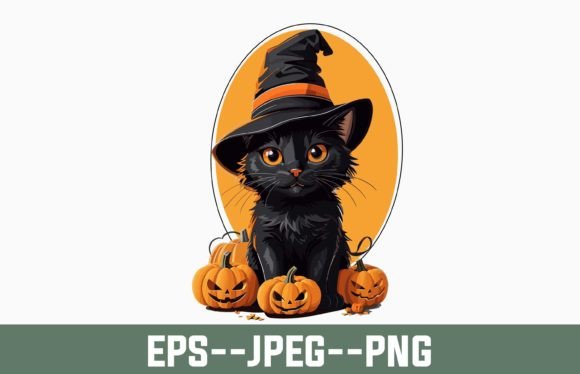
- Educators & homeschool creators: Isolate individual elements (a friendly ghost, a jack-o’-lantern with expressive eyes) for classroom posters or printable activity sheets—no resizing distortion, no jagged edges.
- Content creators: Drop the PNGs into Premiere Pro or CapCut as animated overlays—transparent backgrounds mean clean compositing over video footage of fall foliage or trick-or-treating.
The vector foundation means these aren’t “Halloween clipart.” They’re scalable design assets—flexible enough for packaging labels on artisanal caramel apples or subtle watermark textures on digital planners. And because every shape is independent, you can mute a background element, boost contrast on a focal character, or recolor only the candle flame—not the entire composition.
Designing With Intention, Not Just Decoration
Halloween visuals carry weight. A poorly executed skull can read as lazy or even offensive. A cutesy ghost might clash with your brand’s grounded, earthy aesthetic. That’s why this collection leans into intentional illustration—not trend-chasing, but mood-building.
Notice how the watercolor textures sit *behind* line art instead of competing with it. How negative space is used deliberately—not as afterthought, but as breathing room for your product’s shape or your customer’s eye. How shadows are soft, not harsh; outlines are confident, not rigid. These aren’t illustrations *about* Halloween—they’re visual tools *for* Halloween-driven commerce.
If you’re pairing these with typography, lean into contrast: a warm, slightly irregular serif for headlines (think vintage apothecary labels), balanced with a clean, neutral sans serif for care instructions or sizing charts. Avoid overly decorative fonts that fight with the illustration’s personality—this isn’t a script font moment. It’s about harmony, not hierarchy wars.
Practical Tips Before You Print
Before hitting “order” on 200 black hoodies:
- Test on your actual blank: Sublimation behaves differently on 100% polyester vs. poly-cotton blends. Run a small test transfer—even if it’s just one corner of a sample shirt—to verify color fidelity and edge sharpness.
- Check your printer’s color profile: That vibrant orange in your design file may shift if your RIP software isn’t calibrated. Soft-proof using sRGB for web, Adobe RGB for high-end print, and always preview in CMYK if going to offset.
- Respect the bleed: These files include safe margins—but if you’re wrapping designs around tumblers or phone cases, extend key elements 0.125" beyond the cut line. The EPS gives you full control to do that precisely.
- Licensing is clear and commercial: You’re free to sell unlimited physical products (apparel, home goods, stationery). You may not resell or redistribute the source files as standalone digital assets. Full license details are included in your download—no fine-print surprises.
And yes—these work year after year. Halloween isn’t trending; it’s cyclical. A well-designed, versatile sublimation file earns its keep across seasons, markets, and platforms. It’s not disposable. It’s foundational.
If you’ve used this set for something unexpected—a custom pet portrait backdrop, a library’s literacy campaign, or even a limited-run enamel pin series—we’d love to see it. Tag your project. Share what worked. Because great Halloween design isn’t about ghosts and ghouls—it’s about solving real creative problems, quietly and effectively.
Explore more in the store: curated Halloween sublimation collections, retro-inspired clipart bundles, and watercolor illustration sets designed for makers who value precision, flexibility, and quiet professionalism over flash-in-the-pan trends.