120 Lined Pages: Simple, Smart Note-Taking for Real Life
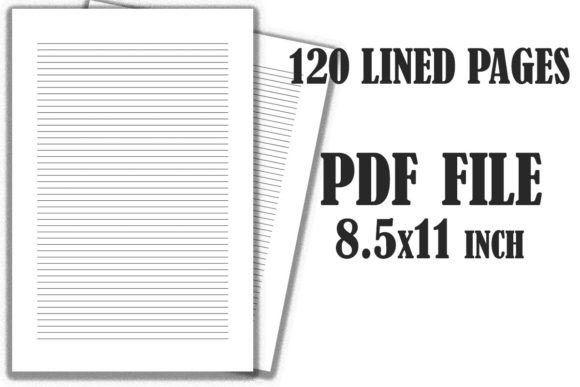
If you've ever flipped open a notebook only to find cramped lines, inconsistent spacing, or margins too narrow for your handwriting—then 120 Lined Pages was made for you. It’s not just another printable PDF. It’s a thoughtfully designed set of 120 clean, consistent, American-standard lined sheets—optimized for clarity, comfort, and control. Whether you're reviewing lecture notes, outlining a blog post, tracking client feedback, or helping your teen prep for AP Biology, these pages meet you where you are.
What Makes These Pages Work So Well?
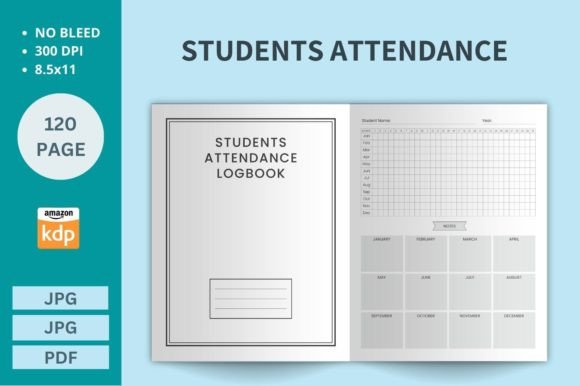
Each sheet features evenly spaced, subtly ruled lines (with generous 1-inch top and side margins) that guide writing without crowding ideas. The layout is calibrated for standard U.S. letter-size paper (8.5" × 11"), so printing is seamless—no cropping, no scaling surprises. There’s no decorative clutter, no distracting graphics, and no forced branding. Just calm, functional space—designed to support focus, not compete with it.
This isn’t about nostalgia for paper. It’s about intentionality. When your tools feel right, you write more, revise less, and retain more. That’s why students use 120 Lined Pages to map out semester goals, educators use them to draft lesson reflections, and freelancers use them to sketch pitch outlines before opening a blank Google Doc.
Where You’ll Actually Use Them (Beyond the Classroom)
Yes, they’re built for back-to-school—and yes, American students benefit from their consistent formatting, especially in subjects like history, English, and science where note structure matters. But their usefulness stretches far beyond student life:
- Educators print batches to hand out during workshops or use them as editable templates for student handouts—no design skills needed.
- Freelancers and solopreneurs keep one printed copy in their planner for daily task mapping, client call summaries, or content brainstorming—without switching tabs or apps.
- Bloggers and marketers jot down article angles, headline variations, or campaign timelines on physical pages, then scan and file them digitally for reference.
- Hobbyists and lifelong learners track progress in language study, music practice, or craft projects—using dated entries and visual spacing to spot patterns over time.
One small business owner told us she uses two printed copies each month: one for weekly planning (goals, deadlines, resource needs), and another for “thinking pages”—where she writes freely about product ideas or customer pain points. She says the tactile rhythm of pen-on-paper helps her slow down and see connections her screen often hides.
Why This Format Fits Real Routines (Not Just Ideals)
We don’t all learn—or work—the same way. Some people need wide margins to sketch diagrams beside their notes. Others rely on consistent line height to maintain legibility across long sessions. 120 Lined Pages accommodates both. The spacing is generous enough for cursive, print, or even light annotations—but tight enough to encourage concision and structure.
It also works beautifully alongside digital habits. Print just what you need—10 pages for next week’s meetings, 30 for a workshop series, or the full set for a new semester. Store the PDF securely in your cloud folder, then print on demand. No subscriptions. No login walls. No auto-renewals. Just quiet reliability.
Practical Things to Keep in Mind
Before downloading or printing, consider how you’ll integrate 120 Lined Pages into your existing workflow:
- Think about your pen and paper. If you use gel or fountain pens, test a single page first—some papers feather more than others. Standard copy paper works fine, but slightly heavier stock (like 24 lb) gives better ink resistance and page turn.
- Match your binding style. Hole-punched? Spiral-bound? Clipboard-ready? The clean margin design makes it easy to punch and organize—but if you prefer loose-leaf flexibility, leave the top margin intact for binder rings.
- Don’t over-print. You don’t need all 120 pages at once. Start with 20–30, use them intentionally for a week or two, and adjust based on what sticks. You might discover you prefer alternating lined and blank pages—or adding a cover sheet for each subject or project.
- Pair it with simple systems. A dated header, a quick bullet for priority items, or a small box in the corner for follow-up actions transforms blank-lined paper into a personal productivity tool. No complex method required—just consistency.
A Quiet Upgrade for Your Daily Work
There’s something grounding about choosing a tool that doesn’t ask for attention—only trust. 120 Lined Pages doesn’t try to replace your favorite app. It doesn’t promise overnight transformation. Instead, it offers something increasingly rare: predictable, distraction-free space to think, record, and reflect.
Students use it to build confidence in organizing ideas—not just copying slides. Writers use it to separate drafting from editing. Educators use it to model thoughtful note-taking for their classes. And busy professionals use it to reclaim small moments of clarity in an otherwise fragmented day.
You won’t find flashy features here—no timers, no AI prompts, no gamified streaks. What you will find is 120 pages that show up ready to serve your mind, your hand, and your goals—without asking for anything in return.
Ready When You Are
Whether you’re preparing for your first college semester, launching a side project, mentoring high school interns, or simply trying to remember where you left off on last week’s big idea—120 Lined Pages fits quietly into your process. Download the PDF. Print what you need. Start writing. And let the clean lines do the rest.